
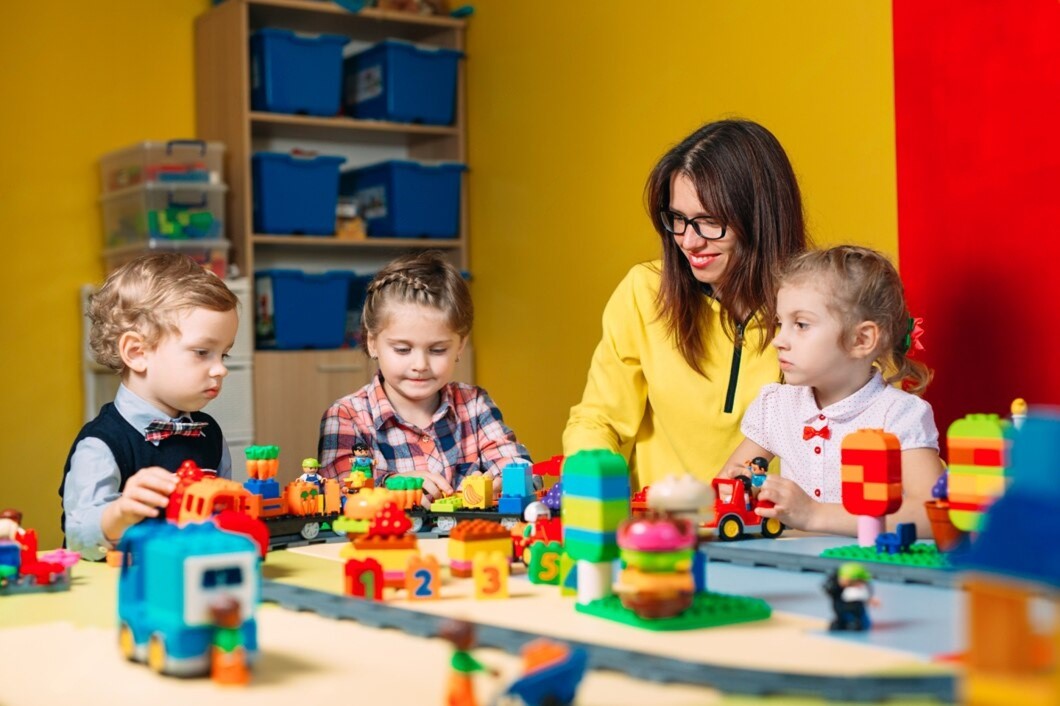
A nursery school lewisham environment plays an important role in shaping a child’s first learning experiences. The early years are a crucial stage of development when children begin building communication skills, emotional awareness, and curiosity about the world around them. During this time, children learn best in supportive environments that encourage exploration and creativity. A structured early education setting helps children develop confidence while introducing them to routines and learning experiences that prepare them for future education.
Many early education settings follow the EYFS curriculum, which provides guidance for supporting children from birth to age five. This framework focuses on balanced development by combining structured learning with learning through play. Through engaging activities and interactive experiences, children develop language, social, and problem-solving skills while building a strong foundation for early learning lewisham programs and future school success.
Understanding the EYFS Curriculum
The EYFS curriculum provides a framework that guides early childhood education in the UK. It focuses on helping children develop socially, emotionally, physically, and intellectually. Rather than concentrating only on academic knowledge, the framework recognises that children learn best through interaction, creativity, and exploration.
In a nursery school Lewisham, the EYFS structure helps teachers plan activities that support each child’s stage of development. Educators observe how children interact, what interests them, and where they may need additional encouragement. These observations help guide daily activities and learning experiences.
The framework includes seven key areas of development. These areas are designed to work together so that children gain a balanced early education experience. By combining structured guidance with play-based exploration, the curriculum ensures that children learn naturally and confidently.
The Seven Areas of Learning
The EYFS framework divides development into several important areas. Each area contributes to the overall growth of young learners.
- Communication and language development
- Physical development and coordination
- Personal, social, and emotional development
- Literacy skills and early reading
- Mathematical understanding
- Understanding the world around them
- Expressive arts and creative exploration
Through these areas, children build strong foundations that support long-term learning and curiosity.
Why Early Education Matters
Early childhood education has a significant impact on long-term development. During the first five years of life, children absorb information quickly and begin forming habits that influence future learning. Because of this, a supportive environment plays an essential role in helping children grow academically and socially.
A nursery school Lewisham provides structured opportunities for children to explore new ideas and interact with others. These early interactions help children develop communication skills and emotional awareness. As they learn to share, cooperate, and express their thoughts, they build confidence in social situations.
In addition, early learning Lewisham programs encourage curiosity and creativity. Children are given opportunities to ask questions, investigate new materials, and experiment with ideas. These experiences foster problem-solving skills and help children develop independence.
Early education also introduces routines that prepare children for future schooling. Activities such as group discussions, creative play sessions, and guided tasks help children adapt to structured learning environments. By the time they transition to primary school, they already feel comfortable in classroom settings.
Learning Through Play in Early Years Education
Play is one of the most powerful tools for early childhood learning. Young children naturally explore their surroundings through play, which makes it an effective method for introducing new concepts. Instead of focusing on memorisation, learning through play allows children to discover ideas through hands-on experiences.
In a nursery school Lewisham, play-based activities are carefully planned to support development. Educators create environments where children can explore different materials, experiment with ideas, and interact with peers. These activities help strengthen cognitive and social skills simultaneously.
How Play Supports Development
Play encourages children to develop a wide range of skills. When children participate in imaginative activities, they practise communication and storytelling. Building structures or solving puzzles strengthens problem-solving abilities.
Some examples of play-based learning activities include:
- Role-playing games that develop communication skills
- Creative art projects that encourage expression
- Outdoor exploration that builds curiosity about nature
- Puzzle activities that strengthen thinking skills
- Group play sessions that encourage teamwork
Because these activities are enjoyable, children remain engaged while learning essential skills.
Creating a Supportive Learning Environment
A welcoming and stimulating environment plays an important role in early education. Children feel more confident when they explore spaces designed for curiosity and creativity. For this reason, many early learning settings carefully organise classrooms to encourage interaction and discovery.
A well-structured nursery school Lewisham environment includes dedicated areas for reading, imaginative play, creative arts, and physical activity. These spaces allow children to move between activities while exploring different interests.
Educators also focus on creating safe and supportive surroundings. Clear routines, friendly communication, and gentle guidance help children feel comfortable expressing themselves. When children feel secure, they are more willing to explore new challenges and develop independence.
In addition, classrooms often include interactive materials such as building blocks, sensory toys, and creative tools. These resources encourage children to experiment and discover new ideas during play-based activities.
Supporting Social and Emotional Development
Social and emotional development forms a core part of early childhood education. During the early years, children begin learning how to manage emotions, interact with peers, and express their thoughts clearly.
A nursery school Lewisham environment provides many opportunities for children to practise these skills. Group activities encourage cooperation, while guided discussions help children learn how to share ideas respectfully.
Teachers also help children recognise and manage emotions. For example, children may participate in activities that teach empathy, patience, and kindness. These lessons support positive relationships and emotional awareness.
Social interaction during early learning Lewisham programs also helps children build friendships. When children feel included and supported, they develop confidence and communication skills that benefit them in future classrooms.
Encouraging Language and Communication Skills
Communication development begins long before children start formal schooling. Early childhood settings place strong emphasis on helping children express their thoughts and understand others.
Through storytelling, conversation, and group discussions, children develop listening and speaking skills. In a nursery school Lewisham, educators often use songs, books, and interactive activities to encourage language development.
Storytime sessions allow children to explore vocabulary and narrative structure. Meanwhile, group discussions help children practise speaking clearly and listening attentively. These experiences strengthen both verbal and social communication skills.
Language activities also support learning through play, as children naturally use words to explain ideas, describe actions, and interact with peers.
Developing Early Literacy and Numeracy
Early literacy and numeracy skills form the foundation for later academic success. However, these concepts are introduced gradually through engaging activities rather than formal lessons.
In the EYFS curriculum, literacy development includes recognising letters, exploring books, and practising early writing skills. Teachers often encourage children to draw pictures and describe them, helping them understand the connection between language and storytelling.
Mathematical learning is introduced through everyday activities such as counting objects, sorting shapes, and recognising patterns. For example, children may count blocks while building structures or measure ingredients during simple cooking activities.
By integrating literacy and numeracy into learning through play, children gain familiarity with these concepts in a natural and enjoyable way.
The Role of Educators in Early Learning
Educators play a crucial role in guiding children through their early education journey. In a nursery school Lewisham, teachers observe how children interact with activities and provide gentle support when needed.
Rather than directing every action, educators encourage exploration. They ask questions that prompt children to think more deeply about what they are doing. For example, a teacher might ask how a tower can be made stronger or what happens when colours mix together.
This approach supports early learning Lewisham programs by allowing children to discover solutions independently while still receiving guidance. As a result, children develop confidence in their abilities and become more curious learners.
Educators also communicate regularly with families about children’s development. This partnership helps ensure consistent support for learning both at home and in educational settings.
Preparing Children for Primary School
One of the key goals of the EYFS curriculum is preparing children for the transition to primary education. Early childhood programs focus on developing the social, emotional, and academic skills needed for school readiness.
Children gradually become familiar with structured routines such as group activities, independent tasks, and collaborative learning. These experiences help them adjust smoothly when they begin formal schooling.
In a nursery school Lewisham, preparation also includes developing independence. Children learn simple tasks such as organising materials, following instructions, and completing activities on their own.
Because these skills develop gradually through learning through play, children approach new learning environments with confidence and curiosity.
Conclusion
Early childhood education plays a vital role in helping children develop confidence, curiosity, and essential learning skills. Through the EYFS curriculum and learning through play, a nursery school lewisham environment supports communication, creativity, and social development during the most important early years of growth.
At Young and Smart Nursery, children are encouraged to explore, learn, and grow in a nurturing environment that supports early learning lewisham. If you are looking for a supportive start to your child’s education, get in touch with Young and Smart Nursery today to learn more about the nursery programs and how they can help your child thrive.
Frequently Asked Questions
Q2. Why is learning through play important?
Learning through play allows children to explore ideas naturally. Instead of memorising information, children interact with activities that build problem-solving, creativity, and communication skills. Play keeps children engaged while helping them understand new concepts.
Q3. What skills do children develop in early learning programs?
Children develop a wide range of skills during early education. These include language development, social interaction, emotional awareness, creativity, and early academic understanding. Together, these skills form the foundation for future learning.
Q4. How does a nursery help children prepare for school?
A nursery introduces structured routines and encourages independence. Children practise communication, cooperation, and problem solving. These experiences help them feel comfortable when transitioning into primary school environments.
Q5. What makes early learning Lewisham programs effective?
Effective programs combine structured guidance with play-based exploration. Children participate in activities that support the EYFS framework while still encouraging creativity and curiosity. This balance ensures children develop academically, socially, and emotionally.