
EYFS summer activities turn long, sunny days into rich learning opportunities for babies, toddlers and preschoolers. The holidays bring warm weather, longer evenings and a welcome break from routine. Children still need stimulation, though, and simple play can support every area of their development. With a little planning, parents and carers can make each day both enjoyable and educational.
This guide shares practical ideas linked to the Early Years Foundation Stage. You will find outdoor play ideas, sensory play, summer crafts and nature activities, all explained in clear steps. Each suggestion works at home, in the garden or at the park. At Young & Smart Nursery, we believe learning thrives when children feel happy and curious, and our Lewisham nursery gallery shows how joyful play looks in practice.
Why EYFS Summer Activities Matter
Summer is a wonderful season for early learning. Children spend more time outdoors, which boosts energy, mood and sleep. When adults plan playful experiences, children keep building the skills they developed during term time. Warm days also make messy, hands-on play much easier to organise outdoors. As a result, the return to routine in September feels smoother and less daunting. Familiar routines can wobble during the holidays, so playful structure gives children real comfort and confidence. Learning also happens in small, unplanned moments, such as watching clouds drift by or sharing a snack in the shade. Adults who notice and celebrate these moments help children feel proud of their discoveries.
How Summer Play Supports the Seven Areas of Learning
The EYFS framework groups learning into seven areas, including communication, physical development and understanding the world. Summer play touches all of them naturally. For example, a picnic encourages conversation, counting and sharing. A puddle-splashing session builds coordination and scientific curiosity. Best of all, children never feel they are doing lessons. Try to notice how everyday moments connect to learning, such as:
- Counting strawberries at a picnic (mathematics)
- Describing the smell of freshly cut grass (communication and language)
- Taking turns with the watering can (personal, social and emotional development)
- Drawing chalk patterns on the patio (expressive arts and design)
Music and Movement in the Sunshine
Music is one of the happiest EYFS summer activities. Singing, clapping and dancing help children develop rhythm, memory and confidence. Musical play also supports communication and language, because children learn new words through songs. Simple homemade instruments make activities accessible for everyone. If your child loves rhythm, structured music lessons can build on this early enthusiasm. Try some of these ideas:
- Shakers made from empty bottles filled with rice
- Marching parades around the garden
- Action songs about animals, weather and seasons
- Dancing with scarves or ribbons
Outdoor Play Ideas for Sunny Days
Fresh air and space to move are essential for young children. Outdoor play ideas need not be complicated, because children enjoy simple, open-ended activities most. In addition, outdoor time helps children manage their energy and practise sensible risk-taking. Below are some favourite ways to keep little ones moving.
Active Games That Build Strength and Balance
Gross motor skills grow rapidly in the early years. Running, jumping, climbing and balancing all strengthen muscles and improve coordination. Games with simple rules also teach listening and turn-taking. Adapt each game to suit your child’s age and confidence. For instance, toddlers may enjoy walking along a low line, while older children can try hopping. Popular choices include:
- Obstacle courses using cushions, hoops and cones
- Musical statues on the lawn
- Follow-the-leader through the garden
- Bean bag tossing into buckets
Splashing Fun With Water Play
Water play is a summer favourite, and it teaches more than you might expect. Children explore volume, floating and sinking, and cause and effect. Pouring and squeezing also strengthen the small muscles in their hands, which prepares them for writing. Always supervise closely, because young children can come to harm in very shallow water. Keep sessions short and shady, and provide sun hats. Simple set-ups include:
- A washing-up bowl with cups, funnels and sponges
- Painting walls and fences with water and large brushes
- Washing toy cars, dolls or plastic animals
- A sponge relay between two buckets
Staying Safe and Comfortable in the Sun
EYFS summer activities work best when children are safe. Young skin burns easily, so protection matters, and child safety and security should guide every outdoor session. Keep babies out of direct sun and use shade whenever possible. Dress children in loose, light clothing and hats. Offer water regularly, because young children can become dehydrated quickly. Plan energetic play for cooler parts of the day. Watch for signs of overheating, such as flushed skin, tiredness or irritability. Key precautions include:
- Applying suitable sun cream regularly
- Encouraging sun hats and light, long-sleeved tops
- Offering water often
- Avoiding the strongest midday sun
- Checking that play surfaces are not too hot
Nature Activities That Spark Curiosity
Nature activities give children a real connection with the world around them. Summer offers an abundance of insects, flowers, leaves and seeds to explore. Children learn to observe carefully, ask questions and care for living things. Even a single daisy can spark a long conversation about colour, shape, smell and texture for your child. These experiences support understanding the world, one of the key EYFS areas.
Minibeast Hunts and Garden Exploration
A minibeast hunt is easy to set up and endlessly fascinating. Give children magnifying glasses and gentle guidance on handling small creatures. Encourage them to count legs, describe colours and notice where insects live. Afterwards, ask questions such as where the ladybird might have been going. Remind children to return every creature carefully to its home. Ideas to try include:
- Looking under logs, leaves and stones
- Making a simple bug hotel from sticks and pine cones
- Recording sightings with drawings or tally marks
- Watching bees and butterflies visit different flowers
Growing and Nurturing Plants
Planting seeds teaches patience and responsibility. Sunflowers, cress and cherry tomatoes grow quickly and reward children with visible progress. In addition, measuring growth introduces early mathematics in a natural way. Pots on a sunny windowsill work well if you have no garden.
Planning a Balanced Summer Routine
Children thrive on predictable routines, even during holidays. Plan EYFS summer activities within a gentle rhythm of active play, quiet time, rest and healthy eating. Check nursery term dates and closures early so you can plan around them. Balance busy mornings with calmer afternoons, because heat can tire young children quickly. Flexibility also matters, as weather and moods change. A simple pattern gives children security while leaving room for spontaneity.
A Sample Daily Rhythm for EYFS Summer Activities
Use this outline as a starting point and adjust it to suit your family. Younger children may need more rest, while older ones may want longer play. The aim is a comfortable balance rather than a strict timetable. Consider a day that looks like this:
- Morning: outdoor play ideas and active games
- Midday: lunch, a story and quiet rest in the shade
- Afternoon: sensory play or summer crafts
- Late afternoon: a nature walk or water play
- Evening: calm songs, a bath and a bedtime story
Sensory Play for Hot Weather
Sensory play invites children to explore through touch, sight, sound and smell. It supports brain development and encourages language as children describe what they feel. Summer makes sensory play easier because the mess can stay outdoors. Respect each child’s comfort level and never force participation. Try these ideas:
- Frozen fruit or flower ice blocks to melt and explore
- Sand and shell trays with scoops and small toys
- Homemade play dough scented with lavender or lemon
- Cornflour and water gloop in shallow trays
- Herb baskets filled with mint, basil and rosemary
Keeping Sensory Play Safe and Inclusive
Every child experiences textures differently, so flexibility is important. Check for allergies before using food-based materials. Supervise closely at all times, especially with small objects that could be swallowed. Helpful habits include:
- Introducing new textures gradually
- Choosing non-toxic, age-appropriate materials
- Letting children stop whenever they want
Continuing Learning at Home
Learning is strongest when home and nursery work together. Sharing what your child enjoys helps key persons plan meaningful next steps in September. Many nurseries use a parent communication app to share photos, observations and daily updates. Parents can add holiday photos and notes about new skills. This keeps everyone informed and celebrates progress.
Simple Ways to Support Learning
You do not need special equipment to support learning. Everyday conversations and shared experiences matter most. Follow your child’s interests and respond with enthusiasm. Ask open questions that invite thinking, such as what might happen next. For example:
- Talking about what you see, hear and smell
- Reading stories outdoors in the shade
- Involving children in packing picnics
- Making a holiday memory book with photos and drawings
Summer Crafts for Little Hands
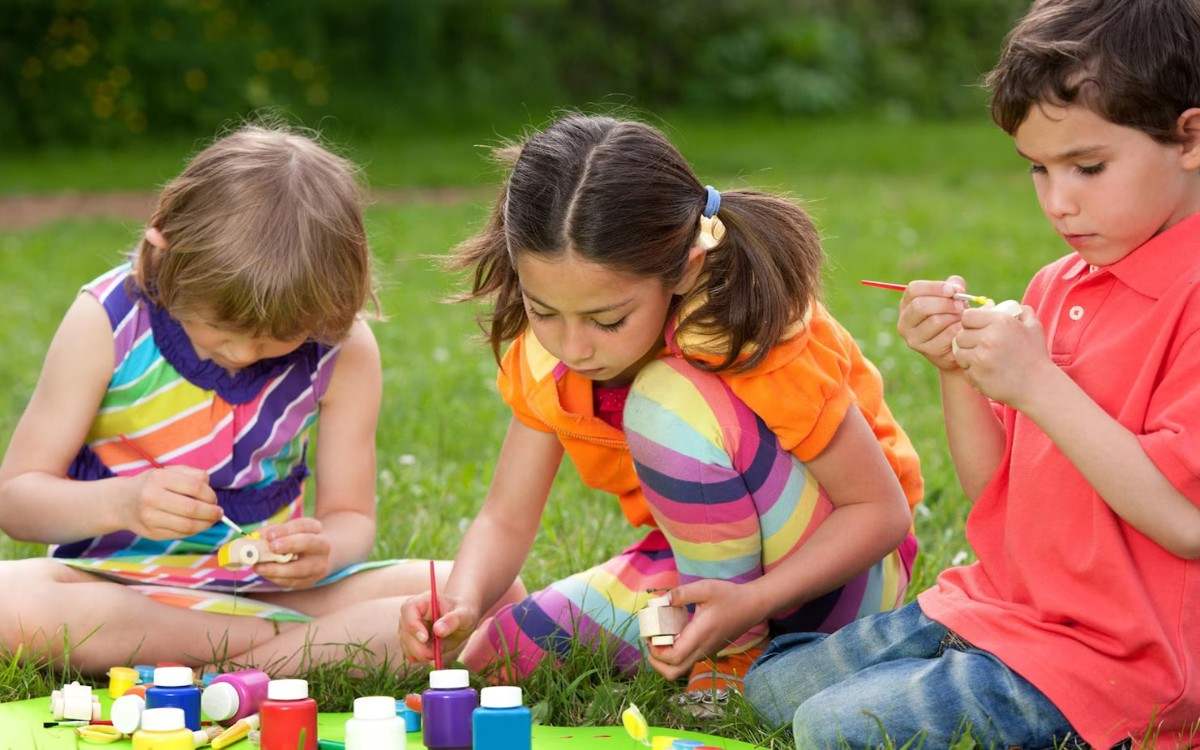
Summer crafts allow children to express ideas and practise fine motor skills. Holding brushes, tearing paper and squeezing glue all strengthen the muscles needed for writing. Craft time also encourages imagination, planning and problem-solving. Focus on the process rather than the finished product, because young children learn most from exploring materials. Use safe, non-toxic supplies and supervise closely.
Crafts Using Natural Materials
Nature offers beautiful resources for creative play. Collect leaves, petals, twigs and pebbles on a walk, then use them back home. This approach links summer crafts with nature activities, so learning connects in a meaningful way. Children also practise sorting, comparing and describing as they choose materials. Popular ideas include:
- Leaf rubbings with wax crayons
- Pressed flower cards
- Stick and wool weaving frames
- Pebble painting with washable paint
- Collages made from petals and grass
Conclusion
EYFS summer activities help children stay curious, active and happy throughout the holidays. Outdoor play ideas build strength, sensory play awakens the senses, summer crafts develop creativity and nature activities inspire wonder. Best of all, none of these ideas need fancy equipment. A little time, patience and imagination turn ordinary days into valuable learning experiences that children remember.
Young & Smart Nursery would love to support your family all year round. If you would like to learn more about our caring team and nurturing environment, contact our Lewisham nursery team today to arrange a conversation. Call 020 8852 9887 to speak with a friendly member of staff. Let us help your child grow, explore and shine.
Frequently Asked Questions
2. How can I keep my toddler learning during the summer holidays?
Follow your toddler's interests and turn daily moments into play. Simple activities like planting seeds, splashing in water or collecting leaves build many skills. Talk about what you see and ask gentle, open questions. Short, varied sessions work best because toddlers tire and lose focus quickly.
3. What are good outdoor play ideas for very hot days?
Choose shady spots and plan active play for cooler parts of the day. Water play, sponge games and gentle nature walks work well in the heat. Offer water regularly and make sure children wear sun hats. Quiet sensory play in the shade gives everyone a rest.
4. Is sensory play suitable for babies?
Yes, sensory play suits babies when adults supervise closely and choose safe materials. Soft fabrics, splashing in shallow water and exploring different textures all help development. Avoid small objects that could be swallowed. Watch your baby's reactions and stop if they seem unhappy or overwhelmed.
5. How do summer crafts help child development?
Summer crafts strengthen the small muscles in the hands, which prepares children for writing. They also encourage creativity, decision-making and language as children describe their work. Sorting and comparing materials builds early mathematical thinking. Most importantly, crafts give children confidence in their own ideas.