
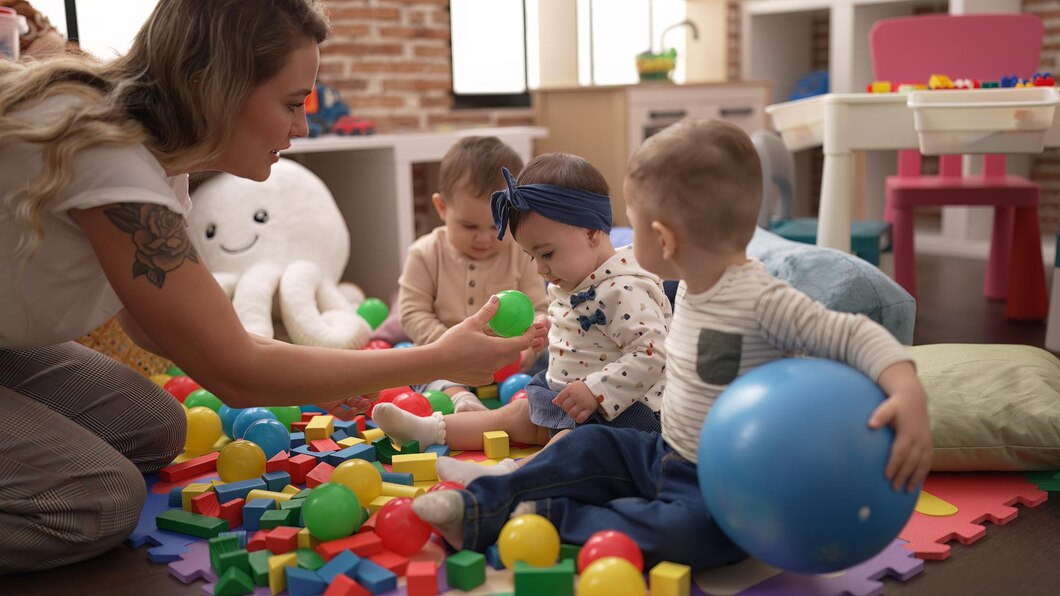
Choosing a private day nursery is a significant decision that shapes a child’s earliest experiences outside the home. During these formative years, children develop emotional security, communication skills, and early learning habits that influence their future growth. A nurturing and well-structured nursery environment provides children with the confidence to explore, learn, and build meaningful relationships.
A great private day nursery is not defined by one single feature. Instead, it is the combination of thoughtful care, professional knowledge, and a child-centred approach that truly makes the difference. From daily routines to play-based learning, every detail contributes to a child’s sense of belonging and wellbeing. Understanding what makes a nursery exceptional helps families choose an environment that supports their child’s development in a balanced and positive way.
A Safe and Nurturing Environment in a Private Day Nursery
Safety and comfort are the foundations of any high-quality private day nursery. Children need to feel secure before they can fully engage with learning and social interaction. Well-planned nursery spaces are designed to support both physical safety and emotional wellbeing throughout the day.
A nurturing environment offers calm, welcoming rooms where children feel at ease. Resources are carefully arranged so children can access them independently while remaining safe. Clear routines and familiar surroundings help children settle quickly and reduce anxiety, especially during transitions.
Emotional security is equally important. Consistent caregivers, gentle communication, and predictable daily patterns allow children to build trust. When children feel safe and supported, they are more confident to explore, ask questions, and interact with others. This sense of security forms the basis for healthy development in the early years.
Qualified and Caring Early Years Professionals
The quality of a private day nursery is closely linked to the people who care for the children each day. Skilled early years professionals bring a deep understanding of child development, along with patience and empathy. Their role goes far beyond supervision, as they actively support learning and emotional growth.
Qualified practitioners observe children carefully to understand their interests, strengths, and needs. They use this knowledge to plan meaningful activities that support progress at an individual pace. Through positive guidance, they help children develop confidence, independence, and respectful behaviour.
Equally important is the emotional connection between children and caregivers. Warm, consistent interactions help children feel valued and understood. When children trust the adults around them, they feel safe to express emotions and engage fully in nursery life. Caring professionals create an environment where children can thrive both emotionally and socially.
Supporting Infant and Toddler Care with Individual Attention
High-quality infant and toddler care requires a sensitive and responsive approach. Young children depend on close relationships to feel secure, especially during their earliest years. A strong private day nursery recognises that every child develops at their own pace.
Individual attention ensures that feeding, sleeping, and comfort routines are respected. Caregivers respond promptly to cues, offering reassurance and support when needed. This consistent care helps infants and toddlers develop trust and emotional security.
As toddlers grow, they are gently encouraged to explore and develop independence. Supportive guidance helps them try new experiences while knowing help is close by. This balanced approach supports emotional regulation, confidence, and early communication skills. Quality infant and toddler care plays a vital role in laying the foundation for future learning.
Learning Through Play as a Core Educational Approach
Learning through play is central to a successful private day nursery. Play allows children to explore ideas, practise skills, and understand the world in a way that feels natural and enjoyable. Carefully planned play experiences support development across multiple areas.
Creative play encourages imagination and self-expression, while physical play supports coordination and strength. Social play helps children learn how to share, cooperate, and communicate effectively. Problem-solving play develops early thinking and reasoning skills.
Educators support play by observing closely and extending learning through thoughtful interaction. Rather than directing every activity, they follow the child’s interests and gently introduce new ideas. This approach keeps children engaged while supporting meaningful learning experiences that build curiosity and confidence.
Structured Routines that Support Confidence and Stability
Consistent routines provide children with a sense of stability in a private day nursery. Knowing what to expect throughout the day helps children feel calm and secure. Daily routines balance active play, quiet moments, meals, and rest.
Transitions between activities are handled with care and clear communication. Gentle reminders and familiar signals help children move smoothly from one part of the day to another. This predictability reduces stress and supports positive behaviour.
While structure is essential, flexibility remains important. Educators adapt routines to meet individual needs when necessary. This balanced approach ensures children feel supported while maintaining a sense of order. Stable routines help children develop independence, emotional regulation, and confidence.
High-Quality Day Nursery Services That Support Families
Reliable day nursery services play a key role in supporting both children and families. Clear and consistent communication helps parents feel involved in their child’s daily experiences. Sharing updates about activities, routines, and development strengthens trust.
Strong day nursery services focus on building respectful partnerships with families. Listening to parental insights ensures care is aligned between home and nursery. This collaborative approach supports continuity and emotional security for children.
Inclusive practices also form an important part of quality services. Every family is welcomed and respected, creating a positive community atmosphere. When families feel supported, children benefit from a consistent and nurturing environment that promotes wellbeing and development.
Encouraging Social Skills and Emotional Development
Social and emotional development is a core focus within a private day nursery. Daily interactions provide opportunities for children to build relationships and learn how to express their feelings appropriately. These experiences shape how children interact with others.
Educators guide children through social situations with patience and understanding. They help children recognise emotions, manage frustration, and resolve conflicts calmly. These skills are essential for building empathy and resilience.
Positive reinforcement encourages confidence and self-esteem. Children learn that their feelings are valid and that challenges can be managed with support. Strong social and emotional foundations support long-term wellbeing and success in both learning and relationships.
Preparing Children for the Next Stage of Learning
A great private day nursery prepares children for future learning by nurturing confidence and curiosity. Rather than focusing on formal instruction, preparation centres on developing a positive attitude towards learning.
Children are encouraged to explore, ask questions, and make choices. Activities such as storytelling, singing, and group discussions support early communication skills. Simple problem-solving experiences help children develop concentration and perseverance.
By fostering independence and self-belief, nurseries help children feel ready for new challenges. This gentle preparation supports a smooth transition into the next stage of education, helping children approach learning with enthusiasm and confidence.
Conclusion: Choosing the Right Private Day Nursery for Your Child
A great private day nursery offers far more than daily care. It provides a safe and nurturing environment, skilled professionals, trusted day nursery services, and thoughtful infant and toddler care that supports every aspect of early development. These elements work together to build confidence, curiosity, and emotional wellbeing.
If you are considering childcare options, take time to reflect on what matters most for your child’s growth. Look for a private day nursery that values learning through play, strong relationships, and individual care. Making the right choice today helps create a positive foundation for your child’s future – take the next step with confidence and clarity.
Frequently Asked Questions About Private Day Nurseries
How does a private day nursery support child development?
A private day nursery supports development through age-appropriate activities, consistent routines, and responsive care. Emotional, social, physical, and cognitive skills are encouraged daily. Learning is guided by children’s interests and developmental stages.
Why is infant and toddler care so important?
Infant and toddler care supports early emotional security and healthy brain development. Responsive care helps young children feel safe, understood, and supported. These early experiences play a vital role in confidence and attachment.
What are day nursery services?
Day nursery services include daily childcare, structured routines, and ongoing communication with families. These services support consistency between home and nursery. They help create a stable and supportive experience for children.
How does learning through play benefit children?
Learning through play helps children explore ideas and practise new skills naturally. It supports creativity, problem-solving, and social development. Play-based learning keeps children engaged while building a positive attitude toward learning.