
The early years curriculum plays a vital role in shaping how young children experience learning during their most formative stage of development. These early experiences influence emotional wellbeing, confidence, communication, and curiosity. A thoughtfully designed curriculum supports children as they explore the world, develop relationships, and begin building essential life skills.
Play-based learning is central to a strong early years curriculum because it reflects how children naturally learn. Rather than focusing on formal outcomes, this approach values exploration, creativity, and hands-on experiences. Through play, children engage deeply with learning while developing independence and resilience. This balance between guidance and freedom helps children progress confidently while enjoying the learning process.
Understanding the Purpose of the Early Years Curriculum
The early years curriculum is designed to support the whole child, not just academic development. It focuses on emotional, social, physical, and cognitive growth during early childhood. This holistic approach ensures learning feels balanced and meaningful.
Within the curriculum, children are encouraged to explore at their own pace. Learning opportunities are flexible and responsive, allowing children to follow interests while still receiving support. This adaptability recognises that development is not linear.
By embedding learning into everyday experiences, the curriculum supports natural development. Children gain confidence as they learn through familiar routines and activities. This foundation prepares them for future learning in a supportive and engaging way.
Why Play-Based Learning Is Central to the Early Years Curriculum
Play-based learning sits at the heart of the early years curriculum because it mirrors how children understand the world. Through play, children test ideas, practise skills, and build knowledge in an active way.
This approach encourages children to take ownership of learning. Adults guide rather than direct, allowing children to explore freely while receiving gentle support. This balance builds independence and confidence.
Play-based learning also supports emotional security. When learning feels enjoyable and pressure-free, children are more willing to participate. This positive association with learning supports long-term motivation and curiosity.
Supporting EYFS Milestones Through Meaningful Play
EYFS milestones provide guidance on developmental expectations, but play-based learning ensures progress feels natural. Children are not rushed or compared. Instead, milestones are supported through everyday experiences.
Physical play supports coordination and balance. Social play helps children develop empathy and cooperation. Creative play encourages imagination and emotional expression.
Educators observe play to understand development and provide appropriate support. This responsive approach respects individual differences while ensuring children progress confidently through EYFS milestones.
Language Development Within the Early Years Curriculum
Language development is a key element of the early years curriculum and is strongly supported through play. Children learn language best when communication feels meaningful and engaging.
During imaginative play, children experiment with new words and ideas. Group activities encourage listening, turn-taking, and conversation. Storytelling and singing strengthen understanding and expression.
Educators model clear language and encourage dialogue throughout the day. These interactions build confidence and support early literacy. Strong language development helps children express needs, emotions, and ideas effectively.
Encouraging Early Learning Activities Through Exploration
Early learning activities are most effective when they are engaging and child-led. Within the early years curriculum, activities are designed to spark curiosity and encourage exploration.
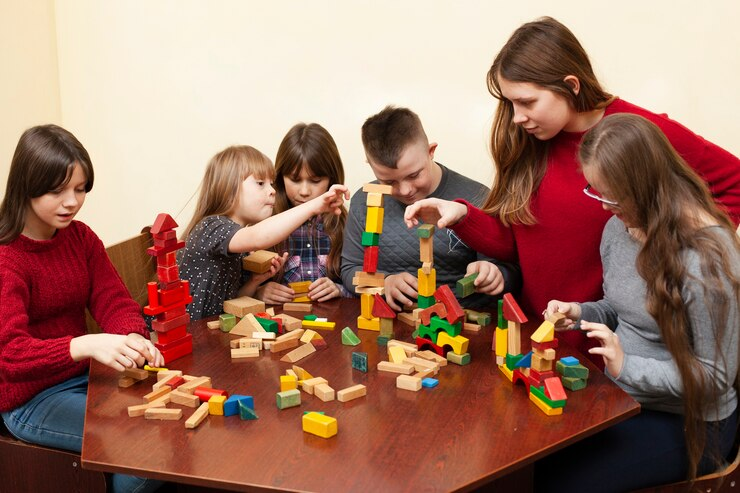
Hands-on experiences help children understand concepts through action. Building, sorting, and role-play support problem-solving and creativity. Sensory activities help children make sense of their environment.
By following children’s interests, learning becomes meaningful. This approach keeps children motivated and supports cognitive development while maintaining enjoyment and engagement.
Emotional Development as a Core Curriculum Focus
Emotional development is essential within the early years curriculum. Children learn how to recognise feelings, manage emotions, and build relationships through everyday interactions.
Play provides opportunities to express emotions safely. Children experience excitement, frustration, and achievement in a supportive environment. Educators guide emotional understanding with patience and reassurance.
This emotional support builds resilience and self-esteem. Children who feel understood are more confident learners. Emotional wellbeing strengthens overall development and prepares children for future challenges.
Social Skills and Relationships Through Play
Social development is naturally supported through play-based learning. Within the early years curriculum, children learn how to interact positively with others.
Group play encourages sharing and cooperation. Children practise communication and learn to respect different perspectives. Conflict becomes an opportunity to develop problem-solving skills.
Educators model positive social behaviour and guide interactions gently. Over time, children build strong social skills that support friendships, teamwork, and emotional wellbeing.
Physical Development Through Active Play
Physical development is an important part of the early years curriculum. Play-based learning encourages movement and exploration throughout the day.
Active play supports strength, coordination, and balance. Outdoor experiences enhance spatial awareness and overall health. These activities also support concentration and confidence.
By integrating movement into learning, children develop healthy habits early. Physical development supports both wellbeing and readiness for future learning experiences.
Adapting the Early Years Curriculum to Individual Needs
Every child develops at a different pace, and the early years curriculum must be flexible. Play-based learning allows educators to adapt experiences to individual needs.
Observations help identify interests and strengths. Activities are adjusted to support progress without pressure. This ensures learning remains inclusive and supportive.
Children feel valued when their needs are recognised. This personalised approach builds confidence and encourages positive engagement with learning.
Building Independence Through Play-Based Learning
Independence is a key outcome of the early years curriculum. Play-based learning supports this by allowing children to make choices and take initiative.
Simple decisions help children develop self-confidence. Problem-solving during play encourages persistence and critical thinking. These experiences support autonomy.
As independence grows, children become more engaged learners. This confidence supports a smooth transition into future educational environments.
Preparing Children for the Next Stage of Learning
A play-based early years curriculum prepares children for future learning by fostering curiosity and motivation. Rather than focusing on outcomes, it values the learning journey.
Children develop a positive attitude toward learning through exploration. Early learning activities introduce key concepts naturally and without pressure.
This approach supports confidence and adaptability. Children feel ready to face new challenges with enthusiasm and self-belief.
Conclusion: The Importance of Play in the Early Years Curriculum
A strong early years curriculum supports every aspect of child development, from emotional wellbeing and language development to meaningful early learning activities. When learning is guided by play, children feel confident, curious, and motivated to explore the world around them. By supporting EYFS milestones in a natural and engaging way, play-based learning creates a positive foundation that benefits children well beyond the early years.
Choosing an environment that values a thoughtful early years curriculum is an important step in supporting your child’s growth and future success. If you are exploring early education options, take time to look for a setting that prioritises play, individual development, and emotional wellbeing. Making an informed choice today can help give your child the confidence, skills, and love of learning they need to thrive—start exploring the right early years environment for your family now.
Frequently Asked Questions About the Early Years Curriculum
How does play-based learning support EYFS milestones?
Play-based learning helps children reach EYFS milestones naturally through exploration and interaction. Skills develop through everyday play rather than formal instruction. This approach respects individual development while supporting progress.
Why is language development important in the early years?
Language development supports communication, emotional expression, and thinking skills. Early conversations and play help children build confidence in speaking and listening. Strong language skills support early literacy and learning.
What are early learning activities?
Early learning activities are play-based experiences that encourage curiosity and problem-solving. These activities support creativity, exploration, and skill development. Learning feels engaging while supporting developmental goals.
How does the curriculum support individual children?
The early years curriculum adapts to each child’s pace and interests. Educators observe and respond to individual needs. This approach supports confident and inclusive learning experiences.